<TextBlock>
<RichText>
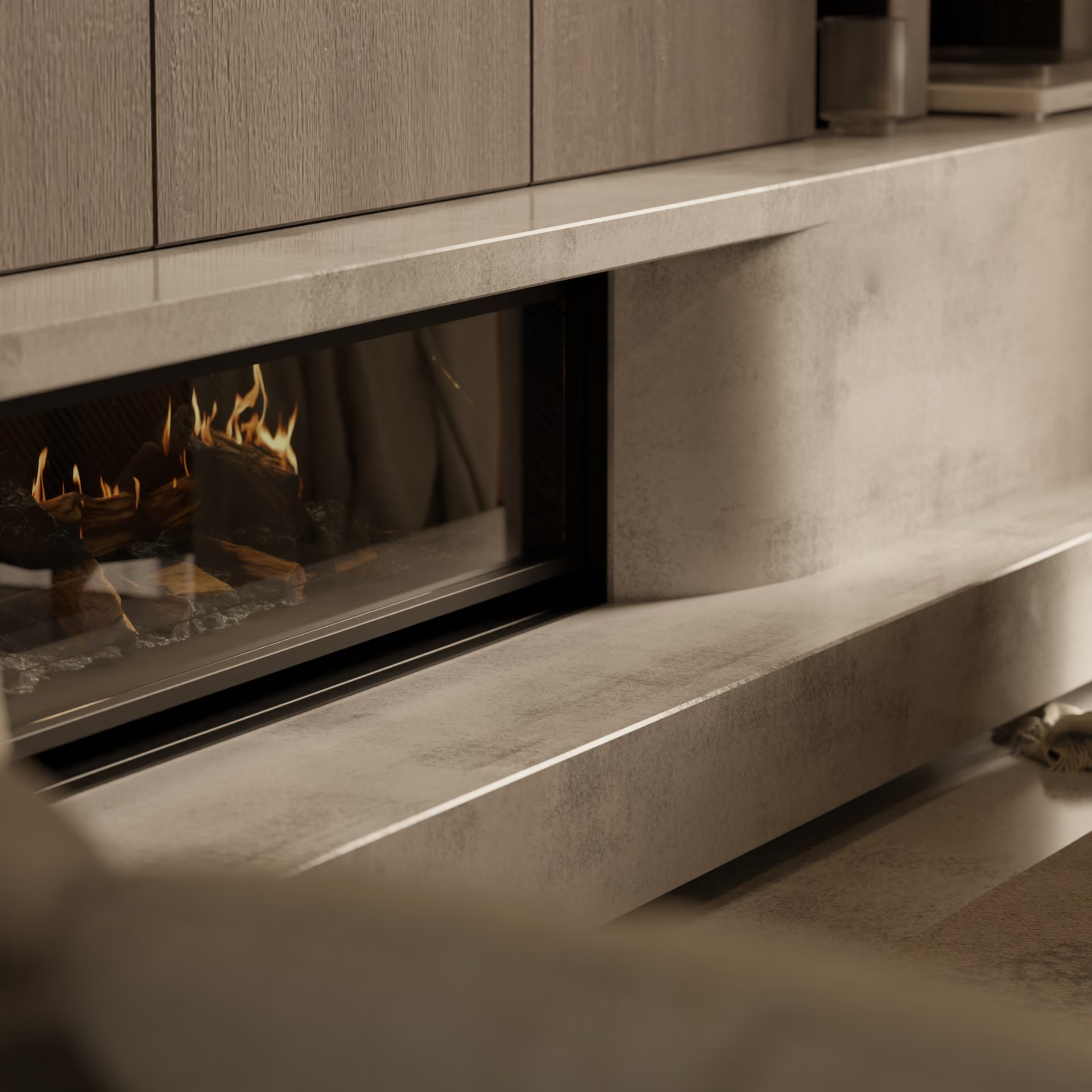
<Paragraph>Flame-Map is Escea’s proprietary holographic flame system, developed in-house in New Zealand. Rather than layering a generic flame effect over a decorative fuelbed, Flame-Map captures real fire interacting with a specific log arrangement, then maps that exact flame behaviour back onto those same logs inside the finished fireplace. The flame and fuelbed are developed as a single system. Below, we outline how the process works.</Paragraph>
</RichText>
</TextBlock>
<Video file="https://youtu.be/WPxBlPkpR1s?si=NairyUUq46JJzWjX" thumbnail="https://cdn.prod.website-files.com/69294541b21cf576e68ed053/6985831f1b80e0742bcef4c1_404-thumbnail.webp" alt="Flame-map Technology">
</Video>
<TextBlock>
<Title>1. The Fuelbed: Designed First</Title>
<RichText>
<Paragraph>In many holographic fireplaces, logs are designed independently from the flame effect above them. With Flame-Map, the process begins with the fuelbed.</Paragraph>
<Break />
<Paragraph>Real logs are selected, cast and arranged into a fixed configuration. Once refined, this layout becomes the reference point for everything that follows.</Paragraph>
<Break />
<Paragraph>“Once the log selection and positioning are locked in, everything else follows,” says Sam Caldwell, Senior Creative Engineer. “The structure of the fuelbed defines how the flame needs to respond.”</Paragraph>
<Break />
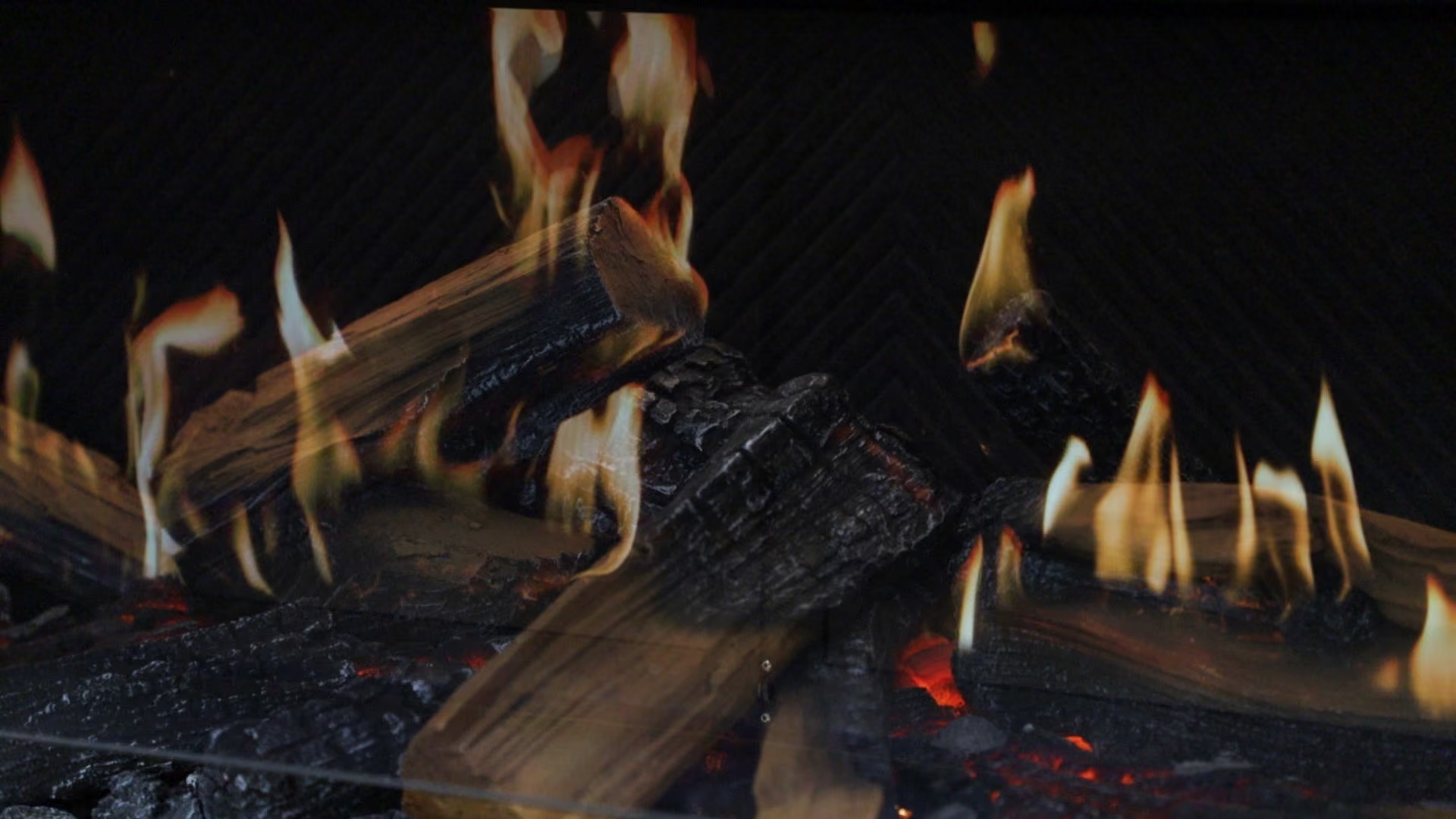
<Paragraph>Sam selects and casts real logs to create the master forms used for Flame-Map. These define the final structure, scale and surface detail of the fuelbed. Production logs are reproduced from these masters and hand-painted to retain the natural variation of the originals.</Paragraph>
<Break />
<Paragraph>The goal is not perfection, but realism — capturing the irregularities that make a wood fire feel convincing.</Paragraph>
</RichText>
</TextBlock>
<TextBlock>
<Title>2. Capturing Real Fire</Title>
<RichText>
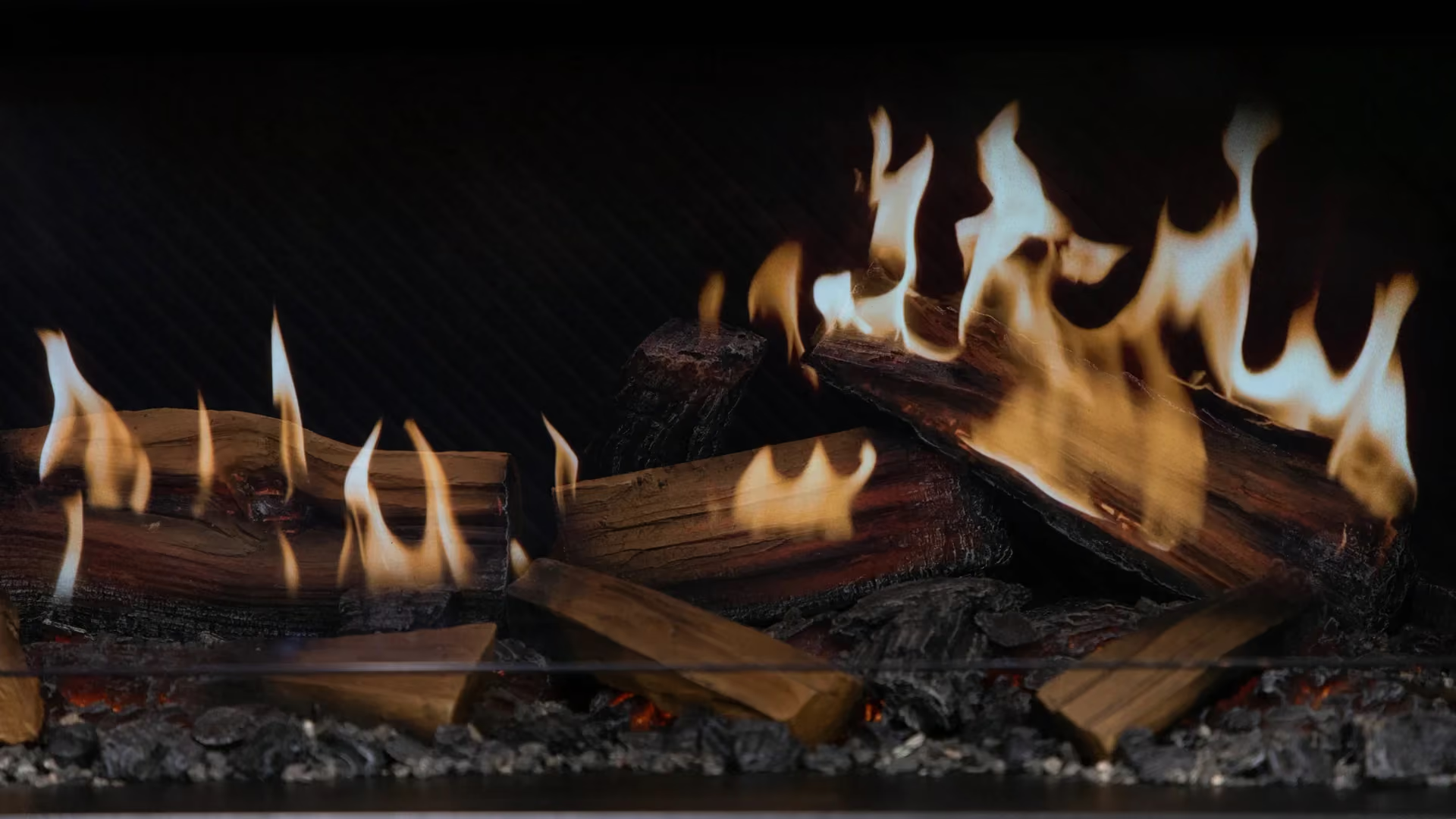
<Paragraph>Once the fuelbed is established, real fire is introduced and recorded in high definition.Flames are filmed as they move naturally around that exact configuration. The footage captures genuine flame behaviour, observed rather than digitally created.</Paragraph>
<Break />
<Paragraph>The filming process is carefully controlled to retain subtle movement and depth, particularly when viewed up close.</Paragraph>
<Break />
<Paragraph>“We spend a lot of time studying how fire behaves in the real world,” says Alex Hodge, Industrial Designer. “The aim is to capture something that feels honest — not exaggerated or stylised, just real.”</Paragraph>
</RichText>
</TextBlock>
<TextBlock>
<Title>3. Mapping the Flame</Title>
<RichText>
<Paragraph>The recorded flame footage is mapped back into the fireplace using holographic projection. Because the flame was captured from the same log structure used inside the fire, its movement aligns precisely with the fuelbed. Flames rise from natural gaps and interact visually with the logs rather than appearing to float above them.</Paragraph>
<Break />
<Paragraph>“Flame-Map uses the same reference throughout the process, so the flame doesn’t just look right — it behaves the way you expect it to,” says Owen Clements, Electric Engineering Manager at Escea.The result is a flame that maintains its realism at close range.</Paragraph>
<Break />
<Paragraph>With Flame-Map being developed entirely in-house, it gives Escea control over fuelbed design, flame capture and projection. That end-to-end development allows the system to be refined as a whole rather than assembled from separate components.</Paragraph>
<Break />
<Paragraph>The outcome is a holographic electric fireplace designed to hold up under scrutiny, where flame, fuelbed and projection work together consistently, even when viewed up close.</Paragraph>
</RichText>
</TextBlock>